

Robots.txt Configuration and Crawl Management
 Jul 27, 2026 Jul 6, 2026
Managing an enterprise website is far more complex than maintaining a small business site. Thousands of pages, multiple departments, international audiences, dynamic content, and frequent website updates create technical challenges that directly impact your search visibility. If technical SEO issues go unnoticed, they can reduce crawl efficiency, limit indexation, slow page performance, and ultimately affect organic traffic.
A comprehensive technical SEO audit helps you uncover these hidden problems before they become major ranking obstacles. Whether you manage an eCommerce platform, a corporate website, or a multi-location business, performing regular technical audits ensures your website remains search-engine friendly and delivers a seamless user experience.
If you are searching for an experienced Apex SEO Company, working with professionals who understand enterprise-level technical SEO can help you identify and resolve complex website issues efficiently.

Enterprise websites often contain thousands—or even millions—of indexed URLs. As your website grows, technical issues multiply. Broken links, duplicate pages, redirect chains, crawl errors, and slow-loading pages can quickly impact search engine performance.
Unlike smaller websites, enterprise platforms require continuous monitoring because:
A regular technical SEO audit allows you to identify these issues before they affect rankings and user experience.

Search engines must be able to crawl your website efficiently before they can rank your content.
During a technical audit, review:
Enterprise websites often waste crawl budget on low-value URLs such as filtered pages, search result pages, parameter URLs, and duplicate content. Cleaning these areas allows search engines to spend more time crawling important pages.

Not every page should appear in search results.
An enterprise audit should compare:
Unexpected indexation problems may include:
Keeping only valuable pages indexed improves your website’s overall quality.
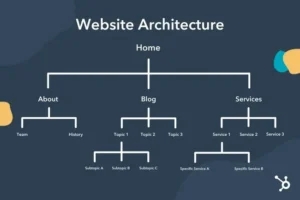
A well-organized website helps both users and search engines navigate content efficiently.
Review your:
Important pages should never require excessive clicks from the homepage. Simplifying navigation improves crawl efficiency and enhances the user experience.

Internal links distribute authority throughout your website.
For enterprise websites, review:
Every important page should receive relevant internal links from authoritative sections of your website.
If you’re planning a long-term optimization strategy, partnering with an Apex SEO Company can help you build scalable internal linking frameworks that support sustainable rankings.

Duplicate content remains one of the most common enterprise SEO problems.
Potential sources include:
Use canonical tags correctly and consolidate duplicate pages whenever possible.
Reducing duplication improves crawl efficiency while helping search engines identify the preferred version of each page.
Page speed is both a ranking factor and a user experience factor.
During your audit, evaluate:
Enterprise websites often suffer from excessive scripts, large images, and unnecessary third-party tools that slow performance.
Improving page speed increases engagement while reducing bounce rates.

Google primarily evaluates websites using mobile-first indexing.
Check:
Every important page should function flawlessly across smartphones and tablets.
Schema markup helps search engines better understand your content.
Verify structured data for:
Errors in structured data may prevent rich results from appearing in search listings.
Large websites frequently accumulate outdated redirects over time.
Look for:
Cleaning redirect issues improves crawl efficiency and page performance.

Broken links create poor user experiences while wasting crawl resources.
Check for:
Replacing or redirecting broken URLs preserves authority across your website.
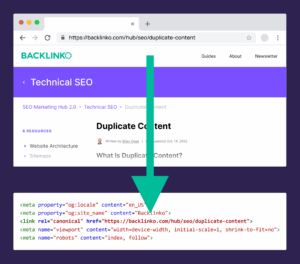
Canonical tags tell search engines which version of a page should receive ranking signals.
Ensure:
Incorrect canonical implementation can lead to significant indexing problems.

Security directly impacts user trust.
Review:
Every enterprise website should maintain secure connections across all pages.
Log file analysis provides valuable insight into how search engine bots interact with your website.
Review:
This data helps optimize crawl budget and improve indexing efficiency.
If your business serves multiple countries or languages, review international SEO implementation.
Verify:
Correct implementation ensures users see the appropriate version of your website.
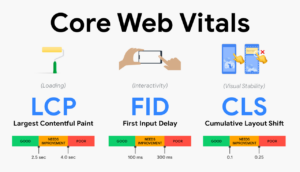
Core Web Vitals remain essential for both rankings and user experience.
Measure:
Regular monitoring allows you to identify performance regressions before they affect rankings.

Many enterprise websites rely heavily on JavaScript frameworks.
Audit:
Important content should remain accessible even after rendering.

Enterprise websites often require multiple XML sitemaps.
Confirm:
Accurate sitemaps help search engines discover important content faster.
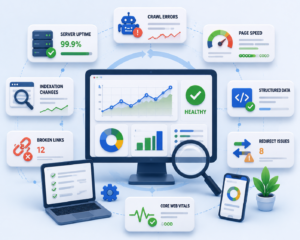
Technical SEO is not a one-time task.
Establish ongoing monitoring for:
Routine audits help maintain website health as your content continues to grow.
Enterprise SEO requires expertise across multiple disciplines, including website architecture, server optimization, indexing, structured data, and performance optimization.
Working with an experienced Apex SEO Company gives you access to advanced auditing tools, technical expertise, and strategic recommendations tailored to large-scale websites. A proactive approach helps you resolve technical issues before they affect visibility, ensuring your website remains competitive in search results.
Enterprise websites demand ongoing technical attention to maintain strong search performance. Regular technical SEO audits uncover hidden issues that affect crawling, indexing, page speed, user experience, and overall website health. By proactively addressing these challenges, you create a stronger foundation for long-term organic growth.
Whether your website serves one location or multiple markets, investing in comprehensive technical SEO audits helps search engines understand your content more effectively while providing visitors with a faster, smoother experience.
For enterprise websites, conduct a comprehensive technical SEO audit every quarter and monitor critical technical issues monthly to maintain optimal website performance.
Large websites commonly struggle with crawl budget waste, duplicate content, indexing issues, and complex site architecture that can reduce search visibility.
Faster pages improve user experience, reduce bounce rates, support Core Web Vitals, and help search engines crawl more pages efficiently.
Yes. Fixing crawl errors, improving indexation, optimizing site speed, and strengthening internal linking can significantly improve existing page performance.
An enterprise SEO specialist understands large-scale technical challenges, uses advanced auditing tools, and develops scalable solutions that support sustainable organic growth.
Robots.txt Configuration and Crawl Management
Jul 27, 2026 XML Sitemap Creation and Optimization
Jul 20, 2026 Website Architecture and Internal Linking Strategy
Jul 13, 2026